Search

Glendale Workers Face Rising Injury Rates in Queens

By Dan Rose,

Something has shifted in Glendale over the past few years, and the numbers tell the story before anyone else does. I have watched the volume of workers’ compensation cases coming out of this neighborhood climb steadily, and the pattern is not random. It tracks directly with the changes happening on Glendale’s streets, in its warehouses, and across its evolving workforce.

Glendale has always been a working neighborhood. Its identity was built by factory hands, tradespeople, and small-business owners who kept their heads down and got the job done. But the scale of activity happening here now is different from what the neighborhood handled a generation ago. ZIP code 11385 is one of the most densely populated in New York State, with a population exceeding 100,000 residents crammed into a few square miles. That density ripples into every workplace, every commercial corridor, and every construction site in the area.

Why Glendale’s Workplaces Are Getting More Dangerous

The surge in claims is not coming from one industry. It is spread across the sectors that define Glendale’s economy. Warehouse and distribution operations along Cooper Avenue and near the old Atlas Terminal corridor have expanded aggressively to keep pace with e-commerce fulfillment demands. These facilities run fast, sometimes around the clock, and the pressure to move product quickly leads to shortcuts. Forklifts operating in tight aisles. Workers lifting loads without proper equipment. Inadequate training for new hires who barely have time to learn the layout before they are expected to keep pace with veterans.

Construction is another major driver. Glendale’s housing stock dates overwhelmingly to the pre-war era, with more than 70 percent of residential buildings constructed before 1940. Renovation and new infill development are happening on virtually every block, and these projects bring the full range of construction hazards. Falls from scaffolding, struck-by incidents, caught-between injuries involving heavy equipment on cramped lots where there is barely room to maneuver.

Then there are the jobs that don’t make headlines but generate a surprising volume of claims. Restaurant workers along Myrtle Avenue suffering burns, repetitive strain injuries, and slip-and-fall incidents in kitchens built decades before modern safety codes existed. Retail employees at shopping centers lifting inventory and standing on concrete floors for ten-hour shifts. Home health aides traveling between clients and performing physically demanding patient care with little institutional support.

Congestion, Growth, and Diminished Safety Standards

Part of what makes Glendale’s situation distinct is the collision between rapid growth and limited physical space. This is not a neighborhood with wide boulevards and sprawling industrial parks. Workplaces here are stacked into older buildings, squeezed onto narrow lots, and sandwiched between residential streets where delivery trucks compete with pedestrians for every inch of pavement.

That congestion creates cascading safety problems. Loading docks designed for a fraction of today’s traffic volume now handle constant deliveries. Construction staging areas spill onto sidewalks. Workers move between tasks in spaces that were never engineered for the intensity of use they are getting now. And when an employer is trying to keep overhead low in one of the most expensive real estate markets in the country, safety measures are often the first thing to get trimmed.

Glendale, NY lawyers have recently reported a tremendous uptick of work injuries tied directly to these conditions. Congested workplaces, diminished safety standards, and a workforce that includes a significant number of undocumented or informally employed individuals who may not know their rights under New York’s no-fault workers’ compensation system. That last point matters enormously, because New York law covers virtually every employee regardless of immigration status. But if nobody tells a worker that, the injury goes unreported, the claim never gets filed, and the employer faces no accountability.

What Injured Glendale Workers Need to Know Right Now

If you have been hurt on the job in Glendale, the clock starts immediately. New York requires written notice to your employer within 30 days of the injury, and your formal claim with the Workers’ Compensation Board must be filed within two years. For injuries that develop gradually, like carpal tunnel syndrome or chronic back conditions from repetitive lifting, those deadlines run from the date you knew or should have known the condition was work-related.

The maximum weekly benefit for lost wages currently sits at $1,222.42 for injuries occurring through June 30, 2026. That rate is locked to your date of injury and will not increase even if future caps go higher. Getting your claim on file early and with proper medical documentation is essential, because insurance carriers in this market are aggressive about challenging claims, especially repetitive stress injuries where the connection to work duties is not immediately obvious.

Here is what I tell every Glendale workers’ compensation client in Queens who walk through our office door. Document everything from day one. Put your injury report in writing. See a physician who understands how to document occupational injuries. And talk to an attorney before the insurance company starts shaping the narrative of your case.

  • Report in Writing: A verbal mention to your supervisor is not enough. Written notice creates a record the carrier cannot dispute later.
  • Medical Records Matter: Your treating physician’s notes need to draw a clear line between your condition and your daily job duties.
  • Know Your Worth: Benefits cover medical treatment, lost wages, and potential permanent disability awards. Do not settle before you understand the full scope of what you are owed.

Glendale’s workers built this neighborhood with their hands, their backs, and their persistence. When the job takes a physical toll, the law exists to make sure they are not left covering the cost alone.


Contributed by Dan Rose, A Senior Workers’ Compensation and Workplace Injury Analyst.

Need Legal Help After a Glendale Workplace Injury?
The team at Beck Law P.C. has recovered millions for injured New Yorkers and offers free, no-obligation case evaluations.
Visit us at https://becklawny.com/ to connect with an experienced workers’ compensation attorney today.

Get Directions Below!

Beck Law, 71-19 80th St Suite 8-206, Glendale, NY 11385, (516) 388-7785

Queens Car Accidents and the No-Fault Insurance Trap

By Dan Rose,

If you’ve been in a car accident in Queens, the legal process that follows probably isn’t what you’d expect. New York operates under a no-fault insurance system, which means your own insurance company covers your initial medical expenses and lost wages regardless of who caused the crash. It sounds straightforward, but the system is layered with limitations, thresholds, and exceptions that can trip up anyone who doesn’t understand how it works. For many Queens drivers, the gap between what no-fault covers and what their injuries actually cost is where the real fight begins.

How No-Fault Insurance Actually Works in Practice

Under New York’s no-fault rules, your own auto insurance policy provides up to $50,000 in Personal Injury Protection, commonly called PIP benefits. This covers medical expenses, a portion of lost earnings, and certain out-of-pocket costs, all without needing to prove the other driver was at fault.

The tradeoff is significant. In exchange for this guaranteed coverage, New York limits your ability to sue the other driver unless your injuries meet what’s called the “serious injury” threshold. The state defines serious injury through specific categories that include bone fractures, permanent disfigurement, significant limitation of a body function, and injuries that prevent you from performing substantially all of your daily activities for at least 90 of the first 180 days after the accident.

That threshold creates a gatekeeping mechanism. Minor soft-tissue injuries, even painful ones, may not qualify you to step outside the no-fault system and pursue a full lawsuit. Understanding where your injuries fall on this spectrum is one of the first things a knowledgeable attorney will assess.

  • PIP Coverage: Up to $50,000 in medical bills, lost wages, and related expenses, paid by your own insurer regardless of fault.
  • Serious Injury Threshold: You must demonstrate injuries meeting specific statutory categories before you can sue the at-fault driver for pain and suffering.
  • The 90/180 Rule: If your injuries prevent you from performing most daily activities for 90 out of 180 days post-accident, you may meet the threshold.

When No-Fault Isn’t Enough

For many Queens accident victims, $50,000 doesn’t come close to covering the true cost of their injuries. A single hospital stay can blow through PIP limits in days. Factor in surgery, months of physical therapy, diagnostic imaging, and specialist visits, and the gap becomes enormous. And PIP doesn’t cover pain and suffering at all.

This is where the fault-based system kicks back in. If your injuries qualify as “serious” under New York law, you can file a personal injury lawsuit against the driver who caused the crash. That lawsuit can pursue the full spectrum of damages, including future medical costs, long-term lost earning capacity, and compensation for the physical and emotional toll the accident has taken on your life.

Insurance companies know that the serious injury threshold is a powerful defense. They will hire their own doctors to examine you and argue that your injuries don’t qualify. Having strong, consistent medical documentation from the beginning is the single most important factor in defeating that argument.

  • Coverage Gaps: Serious injuries routinely exceed PIP limits, leaving accident victims responsible for substantial medical debt.
  • Independent Medical Exams: Insurers will send you to their own doctors, whose opinions often minimize the severity of your condition.
  • Documentation Is Everything: Consistent medical treatment and thorough records are your best defense against attempts to downplay your injuries.

Queens Traffic Patterns Make Collisions More Likely

Queens has some of the most congested corridors in New York City. Routes like Queens Boulevard, Northern Boulevard, and the Long Island Expressway carry massive volumes of traffic through neighborhoods where pedestrians, cyclists, and commercial vehicles compete for space. The result is a collision rate that reflects the borough’s density and complexity.

Rideshare vehicles add another layer. The explosion of app-based car services has put more vehicles on Queens streets, and accidents involving rideshare drivers raise complicated insurance questions about which policy applies and when. Commercial truck traffic flowing to and from JFK Airport and the borough’s industrial zones creates additional hazards, particularly for smaller vehicles sharing narrow local roads.

Understanding these patterns isn’t just useful context. It’s directly relevant to building a strong case. An attorney who handles Queens motor vehicle claims regularly knows which intersections are most dangerous, where surveillance cameras are likely to exist, and how to obtain traffic signal data that can prove or disprove fault.

  • High-Risk Corridors: Queens Boulevard, Northern Boulevard, and the LIE consistently rank among the borough’s most dangerous roads.
  • Rideshare Complications: Accidents involving Uber and Lyft drivers involve layered insurance policies that require careful analysis.
  • Commercial Vehicle Risks: Truck traffic near airports and industrial areas creates heightened danger for passenger vehicles and pedestrians.

How a Skilled Attorney Changes the Outcome

The difference between handling a car accident claim yourself and working with an experienced attorney often shows up in the final number. Insurance companies make initial offers designed to close files quickly and cheaply. They count on the fact that most people don’t know what their claim is worth and will accept the first check that arrives.

An attorney experienced in helping Queens accident victims take the right legal steps toward fair compensation knows how to counter lowball offers with evidence, medical projections, and a credible threat of litigation. That leverage changes the entire dynamic of the negotiation.

Equally important is the attorney’s ability to manage the medical side of your case. The right lawyer will connect you with specialists who understand how to document injuries in a way that satisfies the serious injury threshold, coordinate your treatment to avoid gaps that insurers exploit, and ensure your medical records tell the complete story of your recovery.

  • Settlement Leverage: A lawyer who is prepared to go to trial commands better offers during negotiation.
  • Medical Coordination: Connecting clients with the right doctors and ensuring documentation supports the legal claim.
  • Insurance Negotiations: Experienced attorneys know the tactics insurers use and how to counter them effectively.

Your Next Move After a Queens Car Accident

Don’t assume the insurance company will take care of you. Their interests and yours are not aligned. The sooner you understand your rights and options, the stronger your position will be.


Contributed by Dan Rose, A Senior Motor Vehicle Injury Legal Correspondent.

Been in a Queens Car Accident?
You don’t have to navigate New York’s no-fault system alone.
Visit us at https://www.mrinjurylawyerny.com/ or call 718-659-5333 to get a free evaluation of your car accident claim from a Queens attorney who handles these cases every day.

Get Directions Below!

Ribowsky Law, 109-12 Jamaica Ave, Queens, NY 11418, 718-659-5333

Ribowsky Law, 10-31 Neilson St Suite 3, Far Rockaway, NY 11691, 718-846-3034

Ribowsky Law, 333 Stanley Ave, Brooklyn, NY 11207, 347-292-7353

Ribowsky Law, 3602 E Tremont Ave, Bronx, NY 10465, 718-846-2081

Ribowsky Law, 75-25 141st Pl, Flushing, NY 11367, 718-846-3081

The 2026 Sportage Might Be Kia’s Best Compact SUV Yet

By Dan Rose,

The Sportage was not supposed to get a significant update until 2027. Kia moved the timeline forward, and the result is a 2026 refresh that touches the exterior design, cabin technology, safety suite, and hybrid powertrain in ways that make this already strong compact SUV feel genuinely new. For a mid-cycle update rather than a full redesign, the scope of changes is surprising.

I have spent time comparing the outgoing model to the refreshed version, and the differences are more than cosmetic. Kia has addressed the areas where the Sportage faced the most competition and improved them in ways that matter for daily driving, especially in a metro area like New York where technology, efficiency, and safety are not luxury features. They are necessities.

What Changed on the Outside

The most visible update is the front end. New bumpers at both ends give the Sportage a sharper, more assertive stance. The geometric taillights are a notable departure from the outgoing design, creating a more distinctive rear profile that reads as more premium. Updated wheel options in 17-, 18-, and 19-inch sizes let buyers dial in the look they prefer, and X-Line models receive trim-specific styling elements that emphasize the SUV’s rugged character.

Kia also made its cube-style projector headlights available on the Sportage for the first time. These have been a signature element on other models in the lineup, and they give the front fascia a more technical, upscale appearance, particularly at night. The overall effect is that the 2026 Sportage looks like it belongs a segment above where it is actually priced.

The Cabin Got a Meaningful Overhaul

Inside, the restyled dashboard centers around dual 12.3-inch panoramic displays that serve as both the instrument cluster and infotainment screen. Wireless Apple CarPlay and Android Auto are now standard, which eliminates the cable clutter that plagued previous models. A new 10-inch head-up display is available on hybrid and plug-in hybrid trims, projecting speed, navigation directions, and driver-assist status directly onto the windshield.

Kia added Digital Key support for 2026, allowing compatible smartphones to serve as the vehicle key. You can lock, unlock, and start the Sportage from your phone, and even share access with family members via text. For a household in NYC where multiple people might need to drive the same vehicle, that feature solves a practical problem.

The safety suite also expanded considerably. Forward collision avoidance now includes direct oncoming vehicle detection, Highway Driving Assist 2 brings more capable semi-autonomous highway support, and parking sensors on all four sides make tight garage situations in Manhattan or Brooklyn far less stressful.

  • Display Upgrade: Dual 12.3-inch screens replace the previous setup, creating a more immersive and connected cockpit feel.
  • Wireless Standard: Apple CarPlay and Android Auto work without a cable on every trim level, a feature that some competitors still reserve for higher packages.
  • Parking Confidence: Four-sided parking distance sensors address one of the most common pain points for city drivers, detecting obstacles the mirrors cannot show.

Hybrid Gets Stronger

The Sportage Hybrid receives a 4-horsepower bump for 2026, bringing total system output to 232 horsepower and 271 pound-feet of torque. That makes it the most powerful hybrid in its class. More importantly, it does not sacrifice efficiency to get there. The hybrid powertrain still delivers combined fuel economy figures that significantly undercut the gas-only version, which matters when you are filling up at NYC fuel prices.

New S and X-Line trims join the hybrid lineup, giving buyers who want a sportier look or rugged styling the option to pair those aesthetics with the efficiency of the hybrid powertrain. Previously, choosing the hybrid meant accepting limited trim variety. That constraint is gone.

For AWD models, including the X-Line, a new Terrain drive mode with Snow, Mud, and Sand settings adds genuine off-road capability. Admittedly, most NYC drivers will not be navigating sand dunes. But anyone who commutes through Westchester or Connecticut during winter will appreciate the added traction control that Terrain mode provides when roads get slick.

  • Class-Leading Power: The 232-horsepower hybrid output tops every competitor in the compact SUV hybrid segment.
  • Expanded Trim Choices: New S and X-Line trims give hybrid buyers the same styling variety that gas-model shoppers have always enjoyed.
  • Winter Ready: Terrain drive mode with Snow, Mud, and Sand settings provides meaningful traction benefits for tri-state area winter driving.

Why This Matters for NYC-Area Drivers

The Sportage has been one of the best values in the compact SUV class for the past few years. This refresh does not change the formula. It sharpens it. Better technology, stronger safety features, a more capable hybrid, and a fresher design all arrive without a dramatic price increase.

For anyone exploring a compact SUV lease, the timing is particularly strong. Kia’s current incentive programs pair well with the Sportage’s solid residual values, which keeps monthly payments competitive. The hybrid version is especially interesting for drivers who want to reduce fuel costs without committing to a full EV.

If you want to see how the refreshed Sportage fits into your budget with VIP Auto Lease’s current zero-down leasing programs in New York, VIP Auto Lease can build a custom quote for any Sportage trim and deliver it directly to your door across the tri-state area.


Contributed by Dan Rose, A Senior Automotive Market Analyst.

Drive the Refreshed 2026 Kia Sportage
Kia’s most popular SUV just got a significant upgrade, and leasing one through VIP Auto Lease starts with zero down and same-day NYC delivery.
Visit us at https://viplease.com/ to get your personalized Sportage quote today.

Get Directions Below!

VIP Auto Lease, 2912 Avenue X Suite 2, Brooklyn, NY 11235, (347) 384-6631

Your Wrist Pain Might Be Worth Filing a Claim

Contributed by: Dan Rose

That nagging ache in your wrist after a long shift. The shoulder stiffness that used to fade by morning but now greets you before your alarm goes off. The tingling in your fingers that you keep brushing aside because, well, it is just part of the job. Except it is not. As a workers’ compensation professional working with injured Queens employees, I can tell you that the injuries people dismiss as normal wear and tear are often the very conditions New York law was designed to cover. The difference between getting full benefits and getting nothing frequently comes down to whether you recognized the warning signs early enough to act.

Here is what to watch for, why it matters, and what steps will protect both your health and your legal rights.

The Slow-Build Injuries Most Workers Overlook

Repetitive stress injuries are fundamentally different from the workplace accidents most people picture. There is no ladder fall, no loud crash, no coworker calling 911. Instead, these injuries accumulate silently through months or years of the same motions performed day after day. Typing, lifting, scanning, gripping, reaching overhead, even standing in the same position for hours. The U.S. Department of Labor estimates that these injuries affect hundreds of thousands of American workers each year, with collective costs reaching into the billions.

The tricky part? Most people do not connect the dots between their symptoms and their job duties until the damage is already significant. I have sat across from warehouse workers, office administrators, restaurant cooks, and home health aides in Queens who all said some version of the same thing. “I thought it would go away on its own.” By the time they walked through our door, they were dealing with chronic conditions that required surgery, long-term physical therapy, or permanent work restrictions.

Recognizing the problem early does not just improve your medical outcome. It also dramatically strengthens your workers’ compensation claim.

What Does a Repetitive Stress Injury Actually Feel Like?

You do not need a medical degree to spot the early signs. What you need is the awareness that certain symptoms, when they show up in a pattern connected to your work, are your body telling you something is wrong. Here are five signals that should prompt immediate attention.

First, persistent tingling or numbness in your hands, fingers, or wrists, particularly after extended typing, gripping tools, or operating machinery. This is the hallmark of carpal tunnel syndrome, one of the most common repetitive stress conditions. It often starts mild and progresses until you are dropping things or waking up at night with burning pain.

Second, stiffness or swelling in your joints that worsens during or after your shift. Shoulders, elbows, knees, and wrists are especially vulnerable. When inflammation becomes chronic, you may be developing bursitis or tendonitis without realizing it.

Third, a dull ache in your lower back that started after you began a job involving repetitive bending, lifting, or prolonged standing. Chronic lower back pain becomes a compensable condition when it lasts beyond 12 weeks and is clearly tied to your work tasks.

Fourth, a noticeable loss of grip strength or range of motion in your arms or hands. If opening a jar or turning a doorknob has become painful, that is not aging. That could be epicondylitis, commonly known as tennis elbow, which affects everyone from delivery drivers to nurses.

Fifth, pain that initially appears only during work but gradually follows you home, disrupting sleep and everyday activities. This escalation pattern is one of the clearest indicators that your body is accumulating damage faster than it can repair.

  • Early Detection Advantage: Reporting symptoms while they are still developing creates a medical timeline that is extremely difficult for an insurance carrier to dispute.
  • Documentation Habit: Start noting when symptoms appear, which tasks trigger them, and how long they last. A simple log in your phone is enough. This kind of real-time evidence carries significant weight in a workers’ comp proceeding.
  • Medical Connection: See a doctor and specifically tell them your symptoms are connected to your work duties. This single step changes how the visit is coded and begins building the occupational link your claim will need.

Who Is Most at Risk in Queens?

Queens has one of the most diverse workforces in the country, and repetitive stress injuries do not favor one industry over another. I have handled claims for office workers who spent a decade typing reports, for construction laborers who operated vibrating equipment every shift, for restaurant employees who spent years on their feet chopping and plating, and for healthcare aides who lifted patients daily.

The common thread is not the type of work. It is the repetition. Any job that requires you to perform the same physical motion for extended periods puts you at risk. Cashiers scanning groceries, painters rolling walls, nail technicians gripping tools for hours, cleaning staff pushing and scrubbing, warehouse workers loading trucks. All of these roles carry real exposure.

If your daily routine involves doing the same thing with the same part of your body for most of your shift, you are a candidate for a workers’ compensation lawyer for RSI.

  • High-Risk Roles: Data entry clerks, assembly line workers, commercial drivers, home health aides, restaurant kitchen staff, warehouse packers, and janitorial employees.
  • Overlooked Populations: Office workers often assume their sedentary jobs cannot cause compensable injuries. That assumption costs people benefits every year.

How to Report a Repetitive Injury When There Was No “Accident”

This is where many Queens workers get stuck. New York law requires you to report a workplace injury to your employer within 30 days. But when there was no single incident, no fall or collision, what exactly are you reporting? The answer is simpler than you might expect. You are reporting the condition itself and its connection to your job.

Put it in writing. A brief note to your supervisor explaining that you have developed symptoms you believe are related to your work duties is sufficient. Keep a copy. You do not need to have a formal diagnosis at this point. You just need to put your employer on notice that something is wrong and that your job may be the cause.

From there, see a physician, ideally one authorized by the New York Workers’ Compensation Board, and make sure they understand the nature of your daily tasks. The initial medical report is one of the most important documents in any repetitive stress claim. If it is vague or fails to connect your diagnosis to your work activities, the insurance carrier will seize on that gap.

  • Written Notice: Always report in writing, even if you also tell your supervisor verbally. A paper trail protects you if the employer later claims they were never informed.
  • Medical Specificity: Your doctor’s report should name the specific repetitive motions causing your condition. “Wrist pain” is not enough. “Carpal tunnel syndrome resulting from repetitive keyboard use over approximately four years” is the level of detail that holds up.
  • Filing Timeline: You have two years to file your formal claim with the Workers’ Compensation Board, but the clock can start from different dates, including diagnosis, onset of disability, or first lost workday. Do not gamble on which date applies. File as soon as you can.

Protecting Your Claim Before It Even Begins

The workers who end up in the strongest position are the ones who treated their repetitive stress injury like a serious legal matter from day one, not three months after the insurance company sent a denial letter. If you are reading this and recognizing your own symptoms, the best thing you can do right now is take it seriously. Report it, document it, get medical attention, and talk to someone who understands how these claims work in New York.

A repetitive stress injury workers’ comp attorney in Queens can help you avoid the procedural mistakes that sink otherwise valid claims and make sure the insurance carrier knows from the start that your case is built on solid ground.


Contributed by Dan Rose, A Senior Workers’ Compensation Legal Analyst.

Dealing with a Repetitive Stress Injury from Work?
The team at Beck Law P.C. has helped thousands of injured Queens workers secure the benefits they deserve.
Visit https://becklawny.com/ to schedule your free consultation and learn what your claim may be worth.

Get Directions Below!

Beck Law, 71-19 80th St Suite 8-206, Glendale, NY 11385, (516) 388-7785

Tent Rentals Manhattan 5 Pennsylvania Plaza #770, New York, NY 10001

Tent Rentals Manhattan 5 Pennsylvania Plaza #770, New York, NY 10001

What kind of event are you planning? It could be a wedding, birthday party, school function, or even a church anniversary. One thing is certain – without proper planning, things can take a turn for the worse. Picture a bright day suddenly turning cloudy, and the rain begins to pour. Or maybe the sun becomes unbearably hot. These kinds of surprises can ruin a beautiful moment. But thanks to Glendale Register, you now know a better way to plan your event perfectly with expert advice that ensures success. You deserve a well-decorated space and a comfortable setting for your guests, and that’s exactly what professionals can provide.

Choosing to rent a tent for your event is one of the smartest decisions you can make. It helps you save money while giving your event structure and protection. Whether the weather changes suddenly or the sun decides to shine too brightly, having a good tent over your head keeps everything going without any problems. When you’re in Manhattan, don’t take chances – reach out to a trusted tent rental provider. Let them handle the setup while you focus on other things that matter, like food, music, or seating. With a reliable service, your event will stay dry, cool, and on schedule – rain or shine.

There’s also the joy of having different choices when it comes to tent styles. You’re not limited to one option. Whether you like something large and spacious or something small and private, you’ll find the perfect match. You can choose your preferred colors, layout, and size – all depending on what suits the kind of event you’re planning. If you love privacy or just want the setting to feel enclosed, there are side covers you can request. It’s not just about the tent; it’s about creating a beautiful space that reflects your taste.

Now, if you’ve thought about buying your own tent, you might want to reconsider. Sure, owning one sounds good, but maintenance can be a serious task. Tents are large, take up space, and cleaning them is no easy job. Instead of dealing with all of that, why not rent one at an affordable price? No stress, no storage issues, and definitely no need to worry about wear and tear. With renting, you avoid unnecessary costs and still get a top-quality tent for your occasion.

So if you’re planning to hold your gathering outdoors, stop letting the weather make you nervous. You don’t need to panic about where your guests will sit or what will happen if it rains. Renting a tent gives you confidence that everything will go well. The earlier you book, the better your chances of getting the right size and style. Don’t delay or wait till the last minute. Make your plans now, and ensure your event is as flawless as you imagined. Let the experts take care of the setup while you enjoy every moment. It’s a smart move, and now is the time to make it.

A1 Party & Tent Rental

5 Pennsylvania Plaza #770, New York, NY 10001, United States

Q224+87 New York, USA

Visit The Tent Rentals Manhattan Official Site

Get directions to this featured business now by using the Map Link below.

Google Map

Best 2025 Mazda Lease Options For NYC Residents

Mazda builds budget cars with near-luxury interiors and sports car handling. The Japanese automaker is renowned for handsome crossovers available in various sizes and configurations. Like other top car manufacturers, Mazda’s lineup gets a myriad of exciting updates for the 2025 model year. Shoppers looking to lease a 2025 Mazda will be thrilled by its standard safety features, awesome build quality, and versatile all-wheel-drivetrain it offers. Here, we’ve outlined the best Mazda models for New York City Residents in 2025.

The Handsome, Fun-to-Drive 2025 CX-30 Crossover

The CX-30 is a subcompact crossover with an array of outstanding features and impressive build quality. Still, these are not the primary reasons why it’s the most exciting crossover in its class. The Mazda CX-30 rules the subcompact SUV space thanks to its agile chassis and playful nature. It offers two four-cylinder engine options: a standard 2.5-liter that makes 191 hp, while the optional engine adds a turbocharger to make 250 horsepower and 320 lb-ft of torque.

The Famous, Compact 2025 CX-5

The CX-5’s sublime handling and upscale interior earn it a spot among the big boys in the red-hot compact crossover segment. It is Mazda’s best-seller and a household name among New York City’s small car enthusiasts. Under the hood of every 2025 Mazda CX-5 is a 2.5-liter engine making 187 hp on the entry-level and mid-range trims and 256 hp on turbocharged models. Both variants pair with a well-calibrated six-speed automatic transmission and all-wheel drive. In its thriftiest form, the CX-5 gets an EPA-rated 24 mpg city and 30 mpg highway.

The Rugged-Looking 2025 CX-50

The CX-50 boasts rugged capabilities, a bold exterior design, and an elegant, user-friendly cabin that can be outfitted with niceties such as a 12-speaker Bose sound system, wireless phone charger, heated and ventilated leather-trimmed seats, etc. The Mazda CX-50 has two engine options. The base engine is a 187-hp four-cylinder, while top trims get the turbocharged variant that makes 256 horsepower.

The Family-Friendly 2025 CX-90 SUV

Following the discontinuation of the CX-9, the newly introduced CX-90 now leads the line as Mazda’s largest SUV. It sports a stylish exterior and an exceptionally luxurious interior and is the first Mazda to use the new hybrid-assisted six-cylinder engine. This three-row, mid-size vehicle showcases Mazda’s luxury ambitions, featuring a potent turbocharged 3.3-liter inline-six engine with up to 340 horsepower and 332 pound-feet of torque. The new Mazda CX-90 elevates the brand’s SUV offerings with its premium design and capabilities. Its new architecture and upscale amenities make it a compelling choice in the premium SUV segment.

VIP Auto Lease guarantees brand-new, generously equipped 2025 Mazda models, the industry’s best prices, a transparent lease process, and same-day delivery to your desired location. Contact us now at VIP Auto Lease, 1204 Hylan Blvd, Staten Island, NY 10305. 718-477-7888.

Budget-Friendly 2025 Chrysler Lease Options For New York City Minivan Lovers

Chrysler is an iconic manufacturer whose strong presence in New York City can be traced to its focus on practical family transportation. The brand’s Pacifica minivan offers urban families versatility and comfort. With innovative features, reliable performance, and a revised lineup for 2025, Chrysler provides solutions for city dwellers seeking spacious, functional vehicles that seamlessly blend modern design with everyday utility. Here’s more on 2025 Chrysler lease options.

The Exciting 2025 Pacifica

The 2025 Chrysler Pacifica continues to set the standard for minivan innovation with its blend of versatility and technology. Available in both gas and hybrid powertrains, it offers up to 287 horsepower from its 3.6-liter V6 engine, while the hybrid variant delivers an impressive 33-mile electric range and 84 MPGe combined. The sophisticated interior features Chrysler’s advanced Uconnect 5 system with a 10.1-inch touchscreen, wireless Apple CarPlay and Android Auto, and up to 12 USB ports. Practical features abound, including the innovative Stow ‘n Go seating, available vacuum cleaner, and generous cargo capacity that accommodates 53 carry-on suitcases. The range-topping Pinnacle trim elevates luxury with quilted leather upholstery and premium amenities, while available Amazon Fire TV keeps passengers entertained.

The Easygoing 2025 Voyager

The 2025 Chrysler Voyager makes a triumphant return to the minivan segment as a value-focused family hauler following a brief hiatus since 2022. This refreshed model shares its mechanical excellence with the upscale Pacifica, including a robust 287-horsepower 3.6-liter V6 engine paired with a smooth nine-speed automatic transmission. The well-equipped interior features a modern 10.1-inch touchscreen infotainment system, a 7.0-inch digital gauge cluster, wireless Apple CarPlay and Android Auto integration, and active noise cancellation. The Voyager retains Chrysler’s innovative Stow ‘n Go seating system and offers generous cargo capacity with 32 cubic feet behind the third row. For 2025, it adds significant standard safety features, including adaptive cruise control and blind-spot monitoring, making it an even more compelling value proposition.

Make your 2025 Chrysler lease journey seamless in New York City with VIP Auto Lease. Our collection features the newest premium minivans, which are customizable for ultimate comfort. With our industry-best pricing and expert automotive consultants, we’ll help you select the perfect Chrysler that elevates your daily drive. Contact us now at VIP Auto Lease, 1204 Hylan Blvd, Staten Island, NY 10305. 718-477-7888.

The Stunning 2024 Hyundai Santa Fe: A High-Style Choice For New York City Families

The Santa Fe has always been a decent choice for families who want a comfortable mid-size SUV with two spacious rows and a myriad of intuitive, near-rear luxury amenities. Fast forward to 2024, the mid-size Hyundai returns as a three-row SUV with exhilarating bodywork, head-turning, and next-generation features. We have previously reviewed the all-new 2024 Hyundai Santa Fe. Here, we will highlight the key reasons you should consider the reimagined Santa Fe.

A Bold New Design That Turns Heads

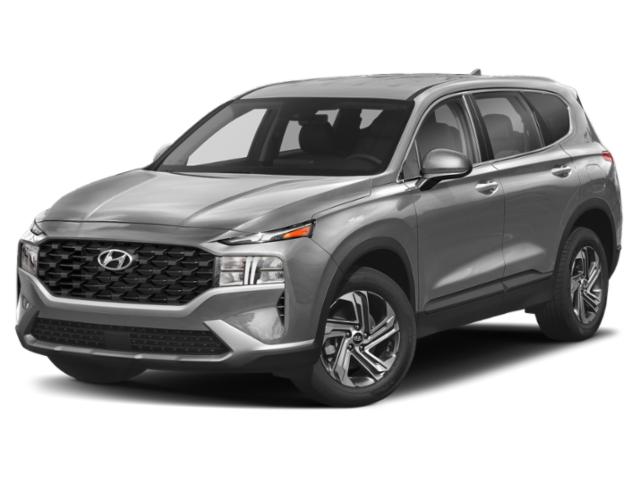
The all-new 2024 Hyundai Santa Fe sports a bold transformation that casts its predecessor into shadow. The interior undergoes a complete overhaul, and the exterior gets a visionary makeover presented in a bold, boxy bodywork. Stretching its limits, the newly-redesigned Santa Fe boasts an elongated wheelbase and a streamlined front profile, carving out space for a coveted third row of seats, and setting a new standard in passenger comfort. This reinvented SUV stands as a testament to Hyundai’s commitment to innovation, promising an unparalleled journey for those seeking adventure and luxury intertwined.

Available Hybrid Powertrains

Unlike the larger Palisade, Hyundai offers an electrified Santa Fe. The Santa Fe Hybrid combines a turbocharged 1.6-liter four-cylinder engine and an electric motor, resulting in a total power output of 232 horsepower. Meanwhile, the traditional gas-fed model features a turbocharged 2.5-liter four-cylinder engine that puts out 277 horsepower and 311 lb-ft of torque—the engine pairs with an eight-speed dual-clutch automatic transmission and front- or all-wheel drive.

Jaw-dropping Interior Styling

Inside, the new 2024 Santa Fe is a whole new world of its own. As usual, the South Korean automaker opted for high-quality materials and exhilarating tech features. To sync with the sleek exterior trim, every nook and cranny inside the Santa adopts a chic, boxy silhouette. The Santa Fe’s cabin is also equipped with several cubby storage spaces and loads of convenience amenities.

Significantly More Capable Than Before

Hyundai says the all-new 2024 Santa Fe can tow up to 4500 lbs when properly equipped. This is a 1000-pound upgrade on the previous generation’s max towing capacity.

 Available Off-road Inspired Trim

The 2024 Hyundai Santa Fe gets an off-road XRT model with rugged styling, improved ground clearance, all-terrain tires, and standard all-wheel drive.

The all-new Santa Fe remains an excellent choice for shoppers seeking a three-row mid-size comfort cruiser. Its uniquely sculpted bodywork makes it even more appealing, and its new range of cutting-edge amenities ensures it caters to all your family’s needs. To lease the new Santa Fe or other 2024 Hyundai models at discounted prices and have it delivered to your driveway, VIP Auto Lease will make that happen in record time.


Visit 1204 Hylan Blvd, Staten Island, NY 10305 https://viplease.com/hyundai/ for more info.

Orthopedics 103: Diagnosing Musculoskeletal Injuries W/ Musculoskeletal Ultrasounds

Have you ever experienced pain or discomfort in your muscles, joints, or bones? If so, you may have visited a healthcare provider who used ultrasound imaging to diagnose your injury. Ultrasound is a valuable tool for evaluating musculoskeletal injuries, providing healthcare providers with real-time images that can help identify the source of pain or discomfort. In this article, we will explore the role of ultrasound in diagnosing musculoskeletal injuries and how local orthopedists use ultrasounds to improve patient care.

What Is Musculoskeletal Ultrasound?

Musculoskeletal ultrasound is a non-invasive imaging technique that uses high-frequency sound waves to produce images of muscles, tendons, ligaments, bones, and other structures in the body. Ultrasound imaging is safe and does not use radiation, making it a preferred method for evaluating musculoskeletal injuries. The technology allows healthcare providers to see the affected area in real-time and visualize the injury in greater detail than traditional X-rays.

The Benefits Of Musculoskeletal Ultrasound

Some of the benefits of musculoskeletal ultrasound include:

  • Non-Invasive:

Ultrasound imaging is a non-invasive technique that does not require any incisions or needles. This makes it a more comfortable and safer option for patients.

  • Real-Time Imaging:

Ultrasound imaging provides real-time images of the affected area, allowing healthcare providers to see the injury as it occurs. This can help identify the source of pain or discomfort and improve accuracy in diagnosis.

  • Improved Patient Care:

Ultrasound imaging can help healthcare providers make more accurate diagnoses, leading to better patient care and outcomes. It can also reduce the need for more invasive procedures or surgery.

  • Cost-Effective:

Musculoskeletal ultrasound is often less expensive than other imaging techniques, such as MRI. This makes it a more accessible option for patients, especially those who may not have insurance or who are on a tight budget.

Limitations Of Ultrasound In Diagnosing Musculoskeletal Injuries

While ultrasound is a useful tool for diagnosing musculoskeletal injuries, it does have its limitations. One of the main limitations is its inability to provide detailed images of bones. This means that if a patient has a suspected fracture or other bone-related injury, an X-ray or other imaging modality may be necessary. Additionally, ultrasound may not be as effective in imaging larger areas of the body, such as the hip or shoulder, where it may be difficult to get clear images.

Third limitation of ultrasound is that it is operator-dependent. This means that the quality of the images produced can vary depending on the skill and experience of the operator. To ensure the most accurate diagnosis, it is important to have an experienced and skilled ultrasound technician or radiologist performing the procedure.

Conclusion

Ultrasound has become an increasingly important tool in diagnosing musculoskeletal injuries. Its non-invasive nature, real-time imaging, and relative affordability make it a valuable option for patients and doctors alike. While it does have its limitations, particularly in imaging bones and larger areas of the body, ultrasound can provide important information for the diagnosis and treatment of many types of musculoskeletal injuries.


Contributed With Help From:

EMU Orthopedic Center Queens 8340 Woodhaven Blvd Ste 5 Glendale, NY 11385 (929) 299-6122 https://www.emuhealth.com/multispecialty/orthopedics/.

Cardiology Advancements Glendale Residents Can Expect In 2023

Cardiology, the branch of medicine that deals with the study and treatment of disorders of the heart and blood vessels, is constantly evolving with new breakthroughs and advancements being made every year. Here are some of the latest trends and developments in how cardiology in Glendale, Queens will look in 2023.

Artificial Intelligence in Cardiology:

Artificial Intelligence (AI) is changing the face of healthcare, and cardiology is no exception. AI algorithms can analyze large amounts of data in a matter of seconds, making it possible to identify patterns and diagnose diseases much faster than humans can. AI-powered algorithms are being developed to detect heart conditions like arrhythmia, heart attack, and even predict the risk of heart disease.

Non-invasive Cardiac Imaging:

Non-invasive cardiac imaging is revolutionizing the way cardiologists diagnose and treat heart diseases. With the use of advanced imaging techniques like CT scans, MRI, and ultrasound, doctors can get a detailed and accurate view of the heart and blood vessels without the need for invasive procedures.

Personalized Medicine in Cardiology:

Personalized medicine is a trend that is gaining popularity in the field of cardiology. With the help of genomic and molecular testing, cardiologists can identify the specific genetic mutations and other factors that contribute to a patient’s heart disease. This information is then used to tailor the treatment plan to the individual’s needs, leading to better outcomes and reduced risk of side effects.

Stem Cell Therapy:

Stem cell therapy is an exciting area of research in the field of cardiology. Scientists are exploring the potential of stem cells to repair and regenerate damaged heart tissue, leading to improved heart function and reduced risk of heart failure. While stem cell therapy is still in its early stages, it has shown promising results in animal studies and small clinical trials, and is expected to become a mainstream treatment option in the near future.

Telemedicine in Cardiology:

The pandemic has accelerated the trend of telemedicine in all areas of healthcare, including cardiology. Telemedicine enables patients to consult with their cardiologists from the comfort of their homes, reducing the risk of exposure to the virus and making it easier for people with mobility or transportation issues to access care.

In conclusion, the field of cardiology is advancing rapidly, and these new developments hold great promise for improving the diagnosis and treatment of heart disease. While there is still much work to be done, the future of cardiology looks bright, and patients can look forward to better and more effective treatments for heart conditions.


Contributed With Help From The EMU Cardiology Center In Glendale, NY: EMU Health Cardiology Center of Queens 8340 Woodhaven Blvd Ste 1, Queens, NY 11385, United States (718) 850-4368 https://www.emuhealth.com/multispecialty/cardiology/.

Fill the Form for Events, Advertisement or Business Listing